
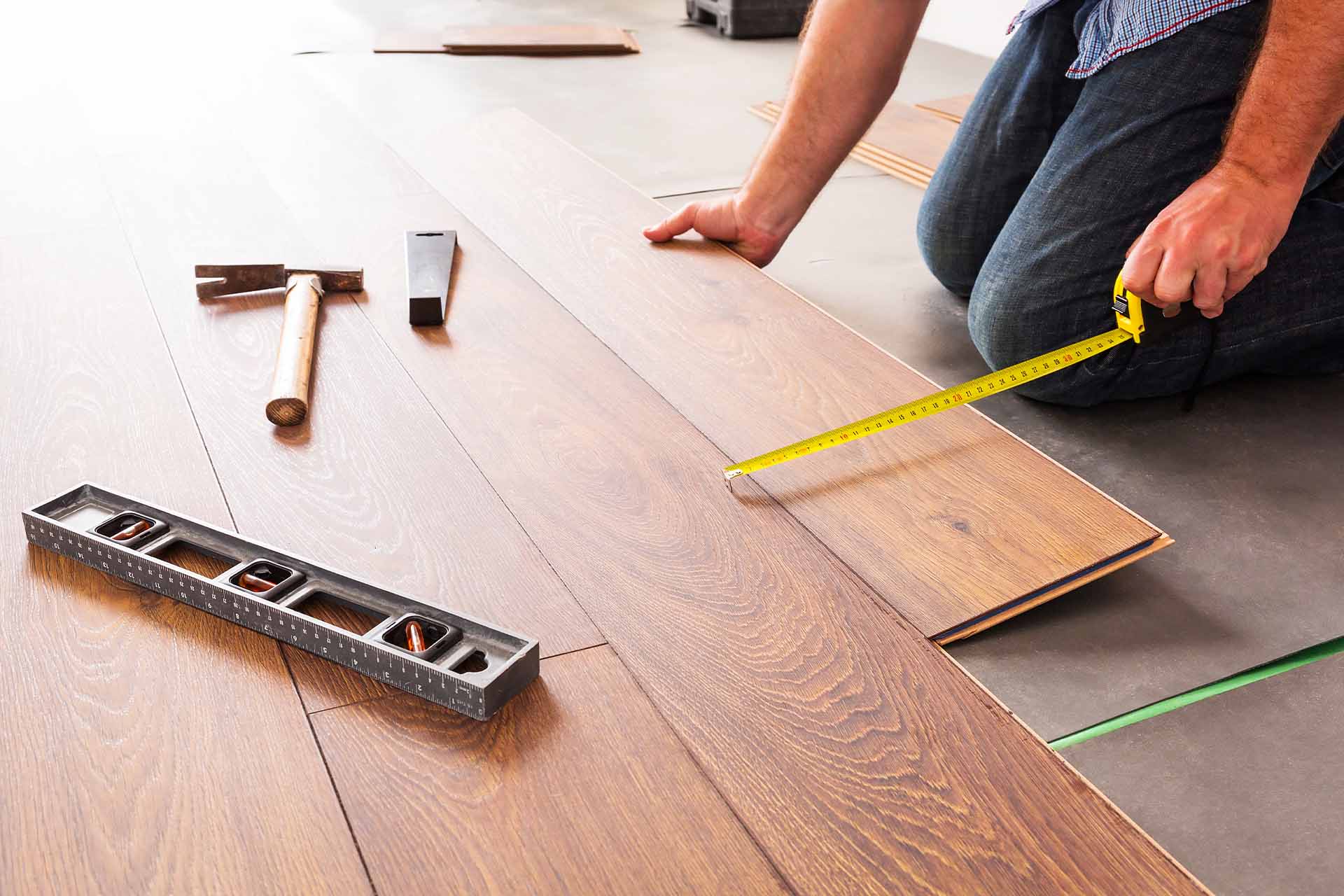
Timber flooring can add warmth, character and value to a property, but even well-maintained floors can develop damage over time. Scratches, dents, stains, water damage, loose boards and surface wear are common issues that can affect the appearance and condition of timber floors.
When damage occurs, property owners often face an important decision: should the existing flooring be repaired or replaced completely?
The answer depends on several factors, including the extent of the damage, the condition of the timber, the age of the flooring and the overall cost of the work. In many situations, repairing a damaged section can be a practical option. However, more extensive problems may require a larger restoration project or complete replacement.
Understanding the differences between these options can help homeowners make informed decisions and avoid spending money on work that does not address the underlying problem.
Understanding Timber Floor Damage
Timber flooring can experience different types of damage depending on its material, installation, age and exposure to everyday use.
Some problems affect only the surface, while others can extend deeper into the boards or flooring structure.
Common types of timber floor damage include:
- Surface scratches: Often caused by furniture movement, pets, footwear and everyday activity.
- Dents and impact marks: Can develop when heavy objects are dropped or furniture is moved across the floor.
- Water damage: Moisture can cause timber to swell, stain, warp or deteriorate.
- Loose or moving boards: May indicate installation issues, movement or deterioration of the flooring system.
- Gaps between boards: Can develop due to changes in humidity and timber movement.
- Discolouration: Sunlight, spills and surface wear can affect the original colour of timber.
- Cracked or split boards: May result from impact, ageing or changes in moisture conditions.
Identifying the type of damage is the first step towards deciding whether a repair is suitable.
1. When Should You Choose Timber Floor Repairs?
Not every damaged timber floor needs to be replaced. Many common issues can be addressed through targeted repairs, depending on the condition of the existing flooring.
For homeowners considering timber floor repairs melbourne, the first step is to assess whether the damage is limited to a particular area or affects the entire floor.
Repair may be suitable when:
- Only a few boards are scratched or damaged.
- The flooring has localised dents or surface marks.
- A small section has experienced moisture-related damage.
- Individual boards have become loose.
- Minor gaps have developed between boards.
- The existing timber remains structurally sound.
- The surface requires sanding, polishing or refinishing.
For example, if a heavy object damages two or three boards in an otherwise well-maintained room, replacing the entire floor may be unnecessary.
A professional flooring specialist can assess the affected area and recommend whether individual boards can be repaired or replaced.
2. Repair or Replace? Comparing the Two Options
Choosing between repair and complete replacement requires consideration of the damage, budget, appearance and expected lifespan of the flooring.
Understanding timber floor repairs Melbourne versus full replacement can help homeowners compare the available options before making a decision.
| Consideration | Repair | Full replacement |
| Damage extent | Suitable for localised damage | More suitable for widespread or severe damage |
| Existing flooring | Retains most of the original floor | Removes and replaces the existing flooring |
| Project scope | Usually limited to affected sections | Involves a larger installation project |
| Material requirements | May require matching existing timber | Allows selection of new flooring materials |
| Appearance | May require colour and finish matching | Provides an opportunity for a consistent new appearance |
| Cost considerations | Can be more economical for smaller problems | Generally involves a larger material and labour commitment |
| Disruption | Often limited to the affected area | May require more extensive preparation and removal work |
The most appropriate option depends on the actual condition of the floor rather than the appearance of the damage alone.
3. Signs That Full Timber Floor Replacement May Be Necessary
Although repairs can resolve many flooring issues, there are situations where replacement may be the more practical long-term solution.
Some warning signs include:
- Extensive water damage across multiple areas.
- Severe timber deterioration or decay.
- Widespread splitting or damaged boards.
- Significant structural movement.
- Repeated repair requirements.
- Flooring that cannot be restored to an acceptable condition.
- Difficulty matching replacement boards with the existing timber.
For example, a floor that has experienced prolonged water exposure may have damage extending beyond the visible surface. In such cases, replacing affected sections or the entire flooring system may be necessary.
Before recommending replacement, a flooring professional should investigate the source and extent of the damage.
4. How Water Damage Affects the Repair Decision
Water damage is one of the more serious issues affecting timber flooring. Timber naturally responds to changes in moisture, which can cause boards to expand, contract, cup or warp.
The severity depends on how much moisture has entered the flooring, how long the exposure continued and whether the underlying area has also been affected.
Minor moisture damage may sometimes be addressed by drying the affected area and assessing whether the boards can be restored.
More serious damage may involve:
- Swollen or distorted boards.
- Persistent staining.
- Cracked or split timber.
- Mould or deterioration.
- Damage to the subfloor.
- Loose flooring sections.
The source of the moisture should be identified and resolved before carrying out repairs or installing replacement flooring. Otherwise, the same problem may occur again.
5. Can Scratched and Worn Timber Floors Be Restored?
Surface scratches and general wear do not always mean that timber flooring needs replacement.
Depending on the depth of the damage and the type of flooring, sanding and refinishing may help restore its appearance.
A restoration process may involve:
- Inspecting the existing floor.
- Assessing the depth of scratches and surface damage.
- Sanding the timber where appropriate.
- Filling minor imperfections.
- Applying a suitable stain or finish.
- Allowing the coating to cure according to product instructions.
However, not every timber floor can be sanded repeatedly. The available timber thickness and flooring construction must be considered before recommending this approach.
Engineered timber flooring, for example, has a timber veneer layer that can limit the amount of sanding possible.
6. The Importance of Matching Replacement Timber Boards
One challenge with partial repairs is matching new boards with the existing flooring.
Timber naturally changes colour as it ages and responds to sunlight and environmental conditions. Even when the same timber species is available, a new board may look different from the surrounding floor.
A flooring specialist may need to consider:
- Timber species.
- Board dimensions.
- Natural grain patterns.
- Existing stain colour.
- Surface finish.
- Age-related colour changes.
- Direction and arrangement of boards.
In some cases, refinishing a larger section may help create a more consistent appearance after individual boards have been replaced.
Homeowners should discuss these possibilities before approving repair work.
7. Comparing Repair Costs With Replacement Costs
Budget is another important factor when deciding how to deal with damaged timber flooring.
Repairs may be more economical when the damage is limited and the existing flooring remains in good condition. However, multiple repairs across a large area can gradually become expensive.
Replacement involves additional work, which may include removing the existing flooring, preparing the subfloor, supplying new materials and installing the replacement boards.
When comparing quotations, homeowners should consider:
- The total area affected.
- The number of boards requiring replacement.
- Labour and material costs.
- Subfloor preparation.
- Sanding and finishing requirements.
- Disposal of damaged flooring.
- Whether additional repairs may be needed.
It is also important to compare the expected outcome rather than choosing a contractor based only on the lowest price.
8. How to Prevent Future Timber Floor Damage
Once damaged flooring has been repaired or replaced, regular care can help maintain its condition.
Practical maintenance steps include:
- Use protective pads beneath furniture legs.
- Clean spills promptly.
- Avoid excessive water when cleaning timber floors.
- Use cleaning products suitable for the flooring finish.
- Place mats near external entrances.
- Keep pet claws appropriately maintained.
- Avoid dragging heavy furniture across the surface.
- Monitor areas exposed to moisture.
Maintaining suitable indoor conditions can also help reduce excessive timber movement caused by changes in humidity.
9. When Should You Consult a Flooring Professional?
Some flooring problems are difficult to assess without inspecting the affected area. A professional can help determine whether the damage is cosmetic, localised or related to a deeper issue.
An assessment may include checking board stability, moisture exposure, surface condition, subfloor suitability and the extent of the affected area.
Homeowners should seek professional advice when damage is widespread, boards are significantly warped, moisture problems continue or previous repairs have not resolved the issue.
A clear assessment can help establish whether targeted repairs, sanding and refinishing, partial replacement or a completely new floor is the most suitable option.
Making the Right Decision for Your Timber Flooring
Deciding whether to repair or replace damaged timber flooring requires a careful assessment of the existing floor. Minor scratches, isolated dents and a small number of damaged boards may be suitable for targeted repairs. More extensive problems, including widespread moisture damage, severe deterioration and structural issues, may require replacement.
Homeowners should consider the condition of the existing timber, the likely repair outcome, material availability and the overall project cost before making a decision.
A professional inspection can provide a clearer understanding of the available options and help prevent unnecessary replacement or repeated repair work. With the right approach, damaged timber flooring can be addressed in a way that supports the property’s appearance, functionality and long-term flooring needs.
