
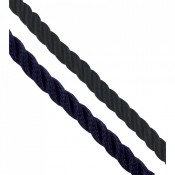
Successful boating depends on more than simply navigating open water. Knowing how to approach a berth, secure a vessel, and establish a reliable anchoring position is an important part of responsible boating. Docking and anchoring equipment helps boat owners manage their vessels safely while providing greater convenience during marina stays, overnight stops, fishing trips, and relaxing days on the water.
Understanding Docking and Anchoring
Docking involves bringing a boat alongside a fixed or floating structure and securing it with appropriate lines and hardware. Anchoring, on the other hand, involves positioning a boat in the water using an anchor and suitable rode to keep the vessel securely in place.
Both activities require suitable equipment and careful preparation. Reliable anchors, ropes, chains, cleats, fairleads, fenders, and other marine accessories all contribute to a secure setup. Choosing quality equipment can make these everyday boating tasks easier and more dependable.
Essential Docking Equipment
A well-equipped boat can make docking much more straightforward. Docking and anchoring accessories may include mooring lines, dock lines, fenders, cleats, bollards, fairleads, and protective bumpers.
Dock lines should be strong enough for the size and weight of the vessel and suitable for the expected weather and water conditions. Fenders provide cushioning between the boat and dock, helping minimize scratches and impact when the vessel moves with waves or wind.
Deck cleats and other secure attachment points are equally important because they provide reliable locations for fastening lines. Properly positioned hardware can improve both safety and convenience when securing a boat.
Selecting the Right Anchor
Anchoring requires equipment that matches the vessel and the conditions in which it will be used. Different anchor designs are intended to perform effectively in different seabed types, including sand, mud, gravel, and other environments.
The anchor should be paired with an appropriate chain and rope combination, commonly known as the anchor rode. The correct rode length and configuration allow the anchor to set effectively while providing the boat with enough freedom to respond naturally to wind and water movement.
Preparing for a Safe Anchorage
Before dropping an anchor, boaters should evaluate the depth, seabed conditions, weather, and surrounding traffic. Adequate space should be available for the boat to swing without creating a hazard for nearby vessels or structures.
After lowering the anchor, allowing it to set properly is essential. Boaters can monitor their position and use suitable reference points or onboard navigation equipment to confirm that the vessel remains within the expected anchoring area.
Docking in Different Conditions
Docking can become more challenging when wind, current, or waves affect the boat’s movement. A controlled approach and good communication between people onboard can make the process smoother.
Maintaining a manageable speed gives the operator more time to make adjustments. Using fenders at likely contact points and preparing dock lines before approaching the berth can also improve efficiency.
Modern marine accessories such as bow thrusters, docking aids, and specialized line-handling equipment can provide additional convenience, particularly on larger boats or in tight marina spaces.
Maintaining Docking and Anchoring Equipment
Regular inspection is important for maintaining reliable docking and anchoring equipment. Lines should be checked for signs of fraying, stiffness, or excessive wear, while chains and anchor components should be inspected for corrosion or damage.
Dock hardware should also remain securely fastened. Cleaning equipment after use, especially following exposure to saltwater, can help extend its useful life and maintain good performance.
Conclusion
Docking and anchoring are fundamental aspects of boating that require preparation, suitable equipment, and practical knowledge. From dependable anchors and strong mooring lines to durable fenders and deck hardware, every component contributes to a secure and enjoyable experience on the water.
By selecting quality marine equipment and maintaining it regularly, boat owners can make docking and anchoring more convenient while protecting their vessels and surrounding infrastructure. With the right preparation and reliable gear, these essential boating activities can become smoother, safer, and more confident parts of every journey.
