
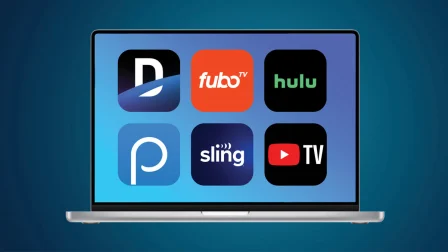
In today’s fast-paced world, entertainment has evolved far beyond the traditional television set. Whether you’re a casual viewer or a binge-watcher, live TV and streaming services have become central to how we consume content. From catching up on the latest news to watching your favorite shows on-demand, these platforms offer convenience, variety, and flexibility that older methods could never match. In this article, we’ll dive deep into the world of live TV and streaming services, exploring their benefits, challenges, and how they’re shaping the future of entertainment.
The Rise of Live TV in the Digital Age
Live TV has been a cornerstone of media consumption for decades, providing instant access to news, sports, and events as they happen. Unlike traditional recorded programming, live TV delivers content in real-time, creating a sense of immediacy that on-demand platforms sometimes struggle to replicate.
For many households, live TV remains the go-to for sports events, breaking news, and award shows. The thrill of watching a game unfold or witnessing a historic moment in real-time cannot be understated. Even in an era dominated by streaming, live broadcasts maintain a unique charm, blending tradition with modern technology.
Moreover, live TV has adapted remarkably to the digital age. Platforms now integrate features like pause, rewind, and cloud DVRs, which bring a layer of flexibility once thought impossible. Viewers no longer need to be tied to their physical television; mobile devices, smart TVs, and tablets now bring live broadcasts directly to wherever you are. This fusion of immediacy and convenience has cemented live TV’s place alongside streaming services in modern entertainment.
Streaming Services: Redefining How We Watch
While live TV captures the moment, streaming services have revolutionized how we plan our viewing. Platforms like Netflix, Hulu, Disney+, and Amazon Prime have shifted the paradigm from scheduled programming to on-demand content. This means you can watch what you want, when you want, without relying on traditional broadcast schedules.
Streaming services thrive on personalization. Advanced algorithms suggest shows and movies based on your viewing habits, making discovery seamless and intuitive. Whether you’re into gripping thrillers, light-hearted comedies, or educational documentaries, there’s something for everyone. This level of customization has transformed passive viewing into an engaging, tailored experience.
Another key advantage is accessibility. Gone are the days when a television set in your living room was mandatory. With streaming, content is accessible via smartphones, laptops, tablets, and smart TVs. This mobility allows viewers to watch during commutes, while traveling, or even during short breaks at work. The freedom to carry your entertainment library in your pocket represents a huge leap from the limitations of traditional TV.
Comparing Live TV and Streaming Services
While live TV and streaming services both serve the purpose of entertainment, their approaches differ significantly. Live TV focuses on immediacy and shared experiences. Watching the Super Bowl, for example, is as much about being part of a collective audience as it is about the game itself. Streaming services, on the other hand, emphasize flexibility and personalization, allowing viewers to consume content at their own pace.
Cost is another area where differences emerge. Live TV often comes with cable or satellite subscriptions, which can be expensive, especially if bundled with premium channels. Streaming services typically offer subscription-based models that are more affordable and scalable, with options ranging from basic ad-supported plans to premium ad-free subscriptions.
Despite these differences, many consumers find value in combining both approaches. Hybrid models, which include live channels alongside on-demand libraries, are gaining popularity. Platforms like Hulu + Live TV or YouTube TV provide the best of both worlds, catering to viewers who want real-time content without sacrificing the flexibility of streaming.
The Impact on Traditional Broadcasting
The rise of streaming services has undoubtedly disrupted traditional broadcasting. Networks are now racing to develop their own streaming platforms to stay relevant. Disney, for instance, withdrew much of its content from other services to bolster Disney+, while NBC launched Peacock to tap into the growing streaming audience.
This shift also impacts advertising models. Traditional TV relied heavily on commercials and scheduled ad slots, but streaming services offer targeted advertising. With precise user data, advertisers can deliver highly relevant content, improving engagement and ROI. This evolution is pushing traditional broadcasters to innovate and adapt, creating a more dynamic media landscape for both viewers and marketers.
Challenges in the Streaming Era
Despite their advantages, streaming services come with challenges. Subscription fatigue is real; as more platforms emerge, the cost of accessing multiple libraries can rival traditional cable. Juggling numerous subscriptions and remembering different passwords can become cumbersome.
Another challenge is content fragmentation. Some shows or movies are exclusive to one platform, requiring users to subscribe to multiple services to access everything they want. This can be frustrating for viewers who prefer a centralized entertainment experience.
Connectivity is also critical. Streaming requires a stable internet connection, and poor bandwidth can ruin the viewing experience. In contrast, traditional live TV can function with minimal infrastructure, making it more reliable in areas with limited internet access.
The Future of Entertainment
Looking ahead, the boundary between live TV and streaming services is likely to blur even further. Innovations like cloud-based broadcasting, interactive streaming, and AI-driven content recommendations are shaping a more immersive entertainment experience. Live events may incorporate interactive polls, multiple camera angles, or real-time stats, while streaming platforms continue to refine personalization and accessibility.
Moreover, as 5G networks and faster internet become widespread, streaming quality and latency will improve dramatically. This will make live broadcasts over streaming platforms virtually indistinguishable from traditional TV, creating a truly seamless viewing ecosystem.
The convergence of live TV and streaming services points to one key takeaway: the future of entertainment is about choice, convenience, and control. Viewers no longer have to compromise; they can enjoy real-time events, binge-watch their favorite shows, and discover new content, all from a single device.
Conclusion
Live TV and streaming services have transformed the way we consume entertainment. Each offers unique benefits—live TV delivers immediacy and shared experiences, while streaming services provide flexibility and personalization. Together, they represent a dynamic entertainment landscape that caters to every type of viewer.
As technology evolves, the gap between live broadcasts and on-demand content continues to narrow. Hybrid models, improved connectivity, and smarter algorithms are making it easier than ever to access the content we love, whenever and wherever we want. For modern viewers, this means the golden age of entertainment is not behind us—it’s happening right now.
