
The global economy does not move in a straight line. It grows, slows down, and sometimes faces uncertainty when trade, inflation, or financial conditions shift. One of the most closely watched indicators during these changes is the Treasury Yield Curve. It shows how interest rates on U.S. government bonds compare across different time periods, such as 2-year, 5-year, and 10-year maturities.
When the world economy slows down, investors, banks, and policymakers pay close attention to the Treasury Yield Curve because it reflects expectations about future growth, inflation, and interest rates. A slowdown can change how investors behave, often pushing them toward safer investments like government bonds. This shift plays a major role in shaping yield curve movements and signals the overall health of the financial system.
Understanding the Treasury Yield Curve and Its Importance
The Treasury Yield Curve is a line that plots interest rates of U.S. Treasury securities from short-term to long-term maturities. Under normal conditions, long-term bonds offer higher yields because investors expect more risk over time. This creates a typical upward-sloping curve that reflects stable economic growth and confidence in the future.
However, the Treasury Yield Curve is more than just a financial chart. It is a key tool used by economists and analysts to understand market expectations. When the curve shifts, flattens, or inverts, it signals changes in economic conditions such as inflation trends, Federal Reserve policy direction, and investor sentiment about growth or recession risks.
How Global Economic Slowdown Affects Investor Behavior
During a global economic slowdown, uncertainty increases across markets. Businesses reduce investment, consumer spending weakens, and international trade slows down. In response, investors often move their money into safer assets like U.S. Treasury bonds, which are seen as low-risk investments backed by the government.
This increased demand for long-term Treasuries pushes their prices up and yields down, affecting the shape of the Treasury Yield Curve. At the same time, short-term interest rates may remain elevated due to central bank policies, creating pressure on the curve to flatten or even invert as investors anticipate weaker economic conditions ahead.
Federal Reserve Policy and Its Role in Yield Curve Movements
The Federal Reserve plays a central role in shaping the Treasury Yield Curve through its monetary policy decisions. When the economy slows globally, the Fed may adjust interest rates to support growth. It might lower short-term rates to encourage borrowing and spending, or it may keep rates steady if inflation remains a concern.
These policy actions directly impact the short end of the Treasury Yield Curve. Meanwhile, long-term yields are influenced more by market expectations about future growth and inflation. If investors believe the slowdown will last, long-term yields may fall faster than short-term rates, leading to a flatter or inverted curve that signals economic caution.
Inflation Expectations and Their Influence on the Yield Curve
Inflation expectations are another key factor that shapes the Treasury Yield Curve during an economic slowdown. When global demand weakens, inflation often slows down as well. This leads investors to expect lower interest rates in the future, especially for long-term bonds.
As a result, long-term Treasury yields tend to decrease when inflation expectations fall. However, if inflation remains sticky while growth slows, the yield curve can become more complex. Investors may demand higher returns for long-term risk, creating mixed movements in the curve that reflect uncertainty in both inflation and growth outlooks.
Recession Signals and Yield Curve Inversion Risks
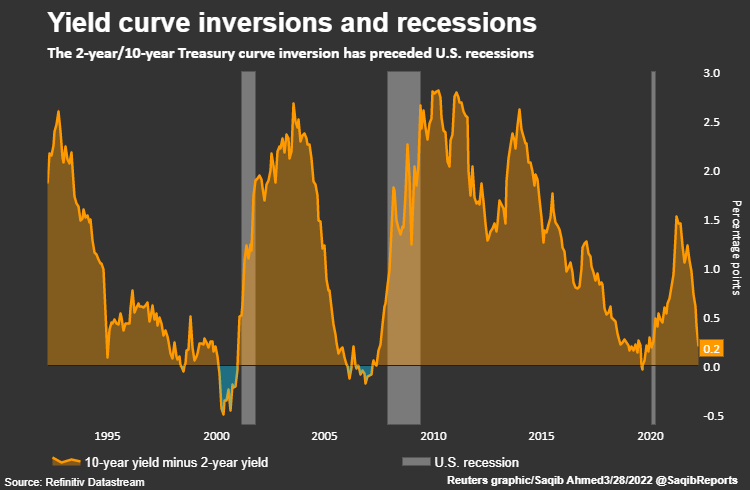
One of the most closely watched signals in financial markets is the inversion of the Treasury Yield Curve. This happens when short-term yields rise above long-term yields, often seen as a warning sign of a possible recession. During global economic slowdowns, this risk becomes more likely as investors expect weaker future growth.
A yield curve inversion does not guarantee a recession, but it has historically been a reliable indicator of economic downturns. Investors closely monitor this pattern because it reflects a shift in confidence about long-term economic stability. When inversion occurs, it often leads to increased market caution and changes in investment strategies across global markets.
Long-Term Outlook and Market Adjustments During Slowdowns
As global economic conditions evolve, the Treasury Yield Curve gradually adjusts to new expectations. If the slowdown deepens, central banks may adopt more supportive policies, and investors may continue shifting toward long-term government bonds. This sustained demand keeps long-term yields lower and can reshape the entire curve over time.
In the long run, the Treasury Yield Curve acts as a reflection of collective market sentiment. It captures how investors view future growth, inflation, and policy direction. Platforms like Primerates and similar financial data sources help track these movements, giving investors valuable insights into bond markets and CD rates during changing economic cycles.
Conclusion
The Treasury Yield Curve is one of the most important indicators in understanding how global economic slowdowns affect financial markets. It reflects investor expectations, central bank actions, inflation trends, and overall confidence in future growth. When the global economy weakens, the curve often shifts in ways that signal caution, such as flattening or inversion.
In the end, monitoring the Treasury Yield Curve helps investors, policymakers, and analysts make better decisions during uncertain times. It provides a clear snapshot of how the world economy is moving and what might come next. By studying its patterns carefully, it becomes easier to understand the deeper forces shaping interest rates and long-term financial stability.
