
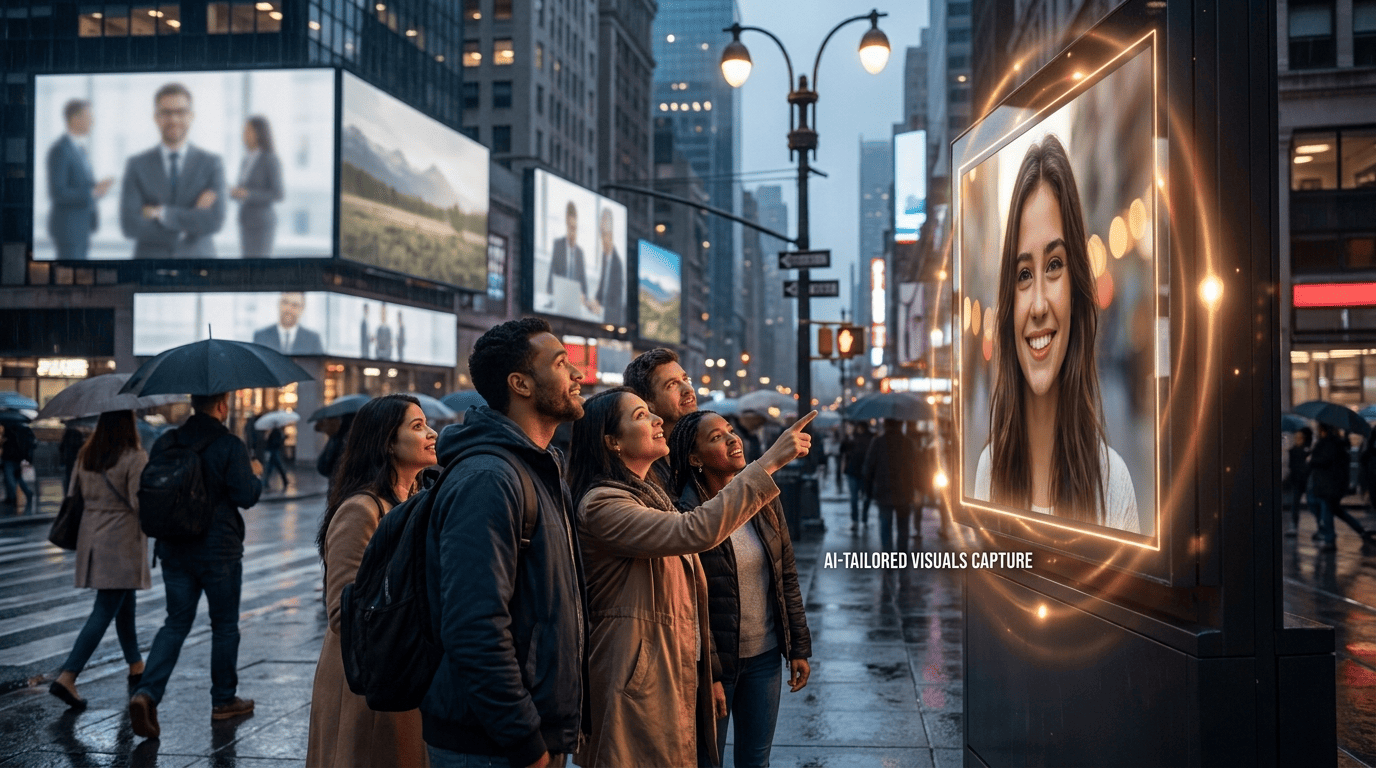
The digital landscape has reached a saturation point where consumers can identify stock photography almost instantly. The glossy, generic nature of traditional stock assets often results in lower engagement rates because they lack the specific “soul” of a brand. Conversely, traditional studio photography offers high quality but is restricted by massive budgets and slow turnaround times.
Modern marketing departments are increasingly moving away from generic assets toward specialized tools like the Higgsfield ai image generator to maintain brand integrity. This shift is not just about cost. It is about the fundamental difference in how AI-generated visuals interact with the target audience.
AI-driven creative engines allow for a level of customization that stock libraries cannot match. While a studio shoot is locked into the lighting and props available on the day of the session, an AI workflow allows for infinite iterations. This flexibility ensures that every pixel aligns with the specific commercial intent of the campaign.
The Technical Edge: A Unified Creative Engine
The primary reason AI content performs differently today is the consolidation of multiple high-end models into a single workflow. Standalone tools often force creators to choose between prompt adherence and aesthetic beauty. A professional studio platform changes this by unifying top-tier models into one interface.
Higgsfield provides access to a curated selection of engines including Higgsfield Soul, Seedream, and Flux.1. Each model serves a distinct purpose in the production pipeline. Soul is optimized for professional aesthetics and high-end brand visuals, while Seedream pushes the boundaries of creative abstraction.
Having all top models in one place allows for a “best of all worlds” approach. Instead of battling the limitations of a single algorithm, professionals can switch models based on the specific requirements of the asset. This technical diversity ensures that the output does not suffer from the “AI look” that plagues lower-quality tools.
The ability to generate native 4K output directly within the platform is another performance differentiator. High-resolution graphics are essential for professional social media ads and digital billboards. When visuals are crisp and technically perfect, they command more attention in crowded feeds than compressed stock images.
Quality and Prompt Adherence: The End of Hallucinations
One of the biggest hurdles in early AI adoption was identity drift and creative hallucinations. Professional tools have solved this by prioritizing precision features. For instance, the use of specialized frameworks like Soul ID allows for consistent character design across multiple frames.
This consistency is vital for brand storytelling. If a brand uses a specific “character” or model in a campaign, that character must look identical in every image and video. Stock photography makes this impossible unless you hire the same human model for every shoot, which is rarely cost-effective.
Prompt adherence has also reached a point where “shipping creative” is faster than ever. Modern models like Flux.1 and Nano Banana Pro understand complex instructions regarding brand-accurate colors and specific text rendering. A high-quality ai image generator now produces flawless text within images, a feat that was once impossible for AI.
This level of control means that the final asset is “commercial-ready” from the first generation. There is no need for extensive post-production or “burning tokens” on failed attempts. The focus remains on professional-grade execution and repeatable workflows.
The Seamless Path From Static to Cinematic
The performance gap between AI and traditional media widens further when considering the transition from image to video. In a traditional studio setting, a photo shoot and a video shoot are two separate, expensive line items. AI collapses these two categories into a single, fluid process.
Once a high-quality static image is generated, it can be converted into a cinematic video within the same environment. This image-to-video capability allows brands to create high-performance video ads from a single successful prompt. The motion is not just random; it is “cinema-grade” and tailored to the brand’s aesthetic.
This transition is supported by research into how consumers interact with dynamic content. Generative AI significantly boosts the productivity of highly skilled creative workers. This efficiency allows for more testing and faster optimization of ad creative.
By leveraging a professional ai image generator, brands can produce multi-format assets for every platform simultaneously. A single creative concept can be exported as a 4K static image for Instagram, a vertical video for TikTok, and a wide-format banner for a website. This level of scale is simply not possible with studio photography.
Professional Use Cases for AI Visuals
Different marketing scenarios require different visual strategies. AI excels in areas where traditional photography fails to provide the necessary speed or flexibility. Below are several scenarios where professional AI tools outperform traditional methods.
- High-Volume Social Media Ads: AI allows for the creation of hundreds of variations for A/B testing at a fraction of the cost.
- Consistent Character Campaigns: Using tools like Soul ID, brands can create a “brand ambassador” that never ages and is always available for a shoot.
- Rapid Prototyping: Marketing teams can visualize complex campaign ideas in minutes to get stakeholder buy-in before committing to larger spends.
- Niche Product Placement: AI can place products in impossible or highly expensive locations, such as a futuristic city or a remote mountain peak, without leaving the office.
In each of these cases, the higgsfield platform acts as the infrastructure for the modern creative department. It removes the friction between a creative idea and a production-grade asset. This allows designers to focus on strategy rather than the technical limitations of their tools.
Pros and Cons: A Balanced Perspective
While AI offers immense advantages, it is important to understand where it fits in the broader creative ecosystem. A professional ai image generator is a powerful tool, but it requires a skilled hand to guide it toward “cinema-grade” results.
Pros of AI-Generated Visuals:
- Infinite scalability and variety.
- Significantly lower production costs compared to studio shoots.
- Ability to generate 4K, brand-accurate content in seconds.
- Seamless integration between image and video formats.
- High degree of control over character consistency and brand colors.
Cons of AI-Generated Visuals:
- Requires a learning curve to master complex prompts.
- Can lack the “organic” imperfections of film if not prompted correctly.
- Needs human oversight to ensure brand alignment and ethics.
The “modern architecture” of higgsfield addresses many of these cons by providing a user-friendly Marketing Studio. This studio includes features like virality prediction and ad generation tools that bridge the gap between “cool art” and “effective marketing.”
Performance Metrics: Why AI Assets Convert
Data shows that personalized and highly relevant visuals perform better than generic ones. Because an ai image generator can create visuals that are hyper-specific to a target demographic, the conversion rates are often higher. You are no longer trying to fit a “stock” person into a specific brand story.
Instead, you are building the story from the ground up. This results in visuals that feel more “native” to the platform they are appearing on. Whether it is a “Reve” style aesthetic or a hyper-realistic “Nano Banana Pro” output, the visual fits the context of the user’s feed.
Furthermore, higgsfield helps brands avoid the “identity drift” that often occurs when using multiple different photographers or stock sources. By using a unified creative engine, every piece of content feels like it came from the same brand voice. This consistency builds trust with the audience over time.
Professional creative departments are finding that AI is not a replacement for creativity, but an accelerant for it. It allows for “repeatable AI workflows” that can be scaled across global teams. This means the brand stays consistent even as it produces thousands of assets per month.
Final Verdict: The Superior Choice for Serious Brands
The choice between stock, studio, and AI is no longer a matter of quality; it is a matter of utility and performance. While studio images will always have a place in high-end luxury branding, the majority of digital content is moving toward an AI-first model.
The higgsfield platform stands out as the superior choice because it does not lock users into a single model. It aggregates the best technology in the world into a “Marketing Studio” designed for serious brand building. This approach ensures that your content is always at the cutting edge of what is possible.
By moving from “burning tokens” to “shipping creative,” professionals can reclaim their time and focus on the big-picture strategy. The ability to generate native 4K graphics and transition them into high-performance video is a game-changer for the DTC and marketing sectors.
Ultimately, an ai image generator is the essential infrastructure for any brand that demands perfection in every pixel. In a world where attention is the most valuable currency, the precision and speed of AI-generated content provide a competitive advantage that stock and studio images simply cannot match. If you are looking to scale your creative output without sacrificing quality, the choice is clear. Professional AI workflows are the future of high-performance visual marketing.
