
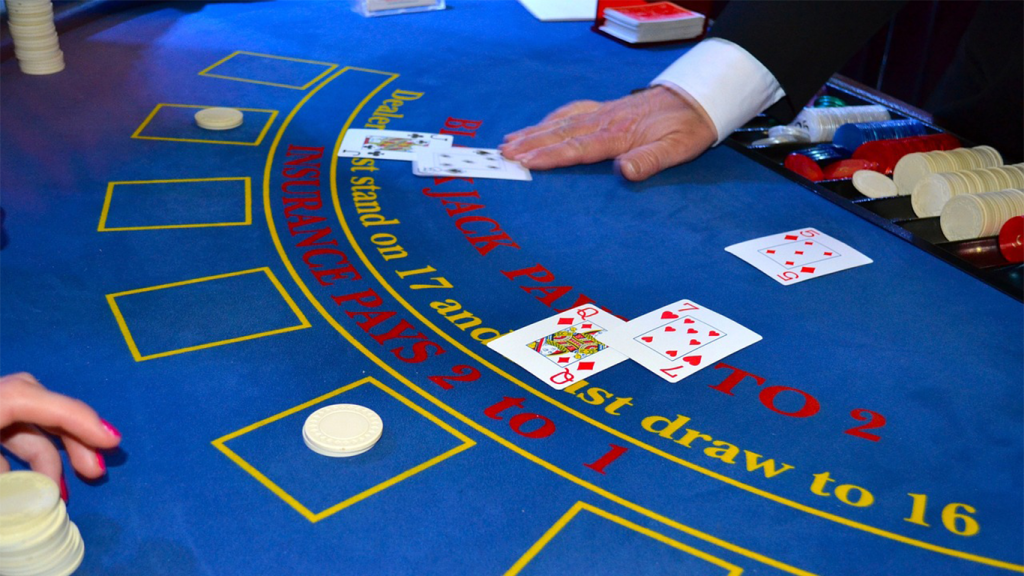
Live casino used to feel like a compromise. A video window on top, some buttons underneath, and a slight sense that the action and the interface were living in two different time zones. Players tolerated it because the concept was cool: a real dealer, real cards, real roulette wheel. Still, it wasn’t exactly immersive.
Now it’s closer to what it always promised to be. Open a modern lobby like tamasha live casino online and the difference shows up fast: cleaner streams, snappier controls, and tables that feel like live entertainment rather than “casino software with a webcam.”
Interactivity isn’t one feature, it’s a stack
A lot of platforms still sell “interactive” like it’s a checkbox. Add chat, call it a day. But interactivity is a feeling, and feelings come from layers that work together.
When live casino feels genuinely interactive, it’s usually because these pieces line up:
- the video arrives quickly enough to feel current
- the betting UI responds instantly
- the dealer runs the table like a host, not a robot
- the player always knows what’s happening and what to do next
If any one of those breaks, the whole thing starts to feel like watching from behind glass.
What changed first: latency got less embarrassing
Latency is not a sexy word, but it’s the silent killer of live casino. A table can look premium and still feel wrong if the stream is delayed. That’s when players miss betting windows, blame the platform, and exit with that familiar thought: “Yeah… not doing this again.”
Lower latency makes decisions feel real
When the dealer says “no more bets” and the timer matches what’s happening on-screen, the experience feels fairer. Not because it changed the rules, but because it removed doubt. Doubt is poison in real-time games.
Adaptive streaming got smarter
Better adaptive streaming helps a table stay watchable when bandwidth dips, instead of freezing at the worst possible moment. It’s not about 4K. It’s about continuity.
The video stopped being “a view” and became the stage
Multi-camera setups are common for a reason: they make the game easier to follow and harder to question.
Multi-angle coverage reduces confusion
- wheel close-ups that show the ball settle clearly
- overhead views that make betting areas readable
- card reveals that don’t require squinting
That clarity creates involvement. Players stop waiting for the UI to tell them what happened and start watching it happen.
Dealers became presenters, and it matters more than people think
A live dealer is the interface between the game and the player. Casual players respond to hosting. A dealer who keeps the pace steady, speaks clearly, and acknowledges the rhythm makes the experience feel “held.” A bored dealer makes it feel transactional.
The UI finally learned it lives on a phone
Thumb-first controls
Bigger tap targets, cleaner chip selection, fewer misclick traps.
Clear betting windows
Readable timers, consistent states, strong visual cues for bet acceptance.
Less clutter during play
Popups and live tables don’t mix. Calm UI is essential.
Live game shows pushed the category forward
They’re built for casual audiences: bright studios, fast rounds, simple choices, and a host who keeps energy moving.
Why they feel more interactive:
- obvious structure within one round
- host explains without a manual
- suspense designed like a TV segment
- easy decisions
Social features got lighter, not louder
Better platforms lean into social proof without forcing social participation:
- optional chat and reactions
- visible table activity
- occasional mini-events or leaderboards
- moderation that keeps things usable
Real-time overlays made players feel “inside” the table
Good overlays reduce mistakes and increase involvement. Roulette histories, table limits, side bet rules, and clear confirmations all add confidence.
What can still break the illusion
- Lag at the wrong moment
- Confusing table rules
- Over-promotion with constant banners
What to look for in a genuinely interactive live casino experience
- Video and UI feel synced
- Table limits and rules visible before joining
- Dealer is audible and steady
- Timers are readable
- Support is easy to reach
- Payment info is transparent
Green flags
- Stable stream on mobile data
- Clear bet acceptance feedback
- Simple re-bet and undo options
- Transparent withdrawal guidance
Red flags
- Frequent freezes around bet windows
- Vague “pending” everywhere
- Popups interrupting play
- Hidden limits or rules
A quiet note on control
Live casino is designed to keep attention. Responsible platforms make limits and reminders easy to find. Users should use them to keep sessions contained.
Closing thought
Live casino feels more interactive than ever because the industry finally stopped treating “live” as a video add-on. The stream is tighter. The UI is smarter. Dealers are trained as hosts. The product is built for phones. Even payments and verification are integrated more cleanly, boosting trust and reducing friction.
It now behaves like modern entertainment: live, responsive, and designed for the way people actually use their screens. That’s why it feels different. And that’s why new users keep sticking around.
