
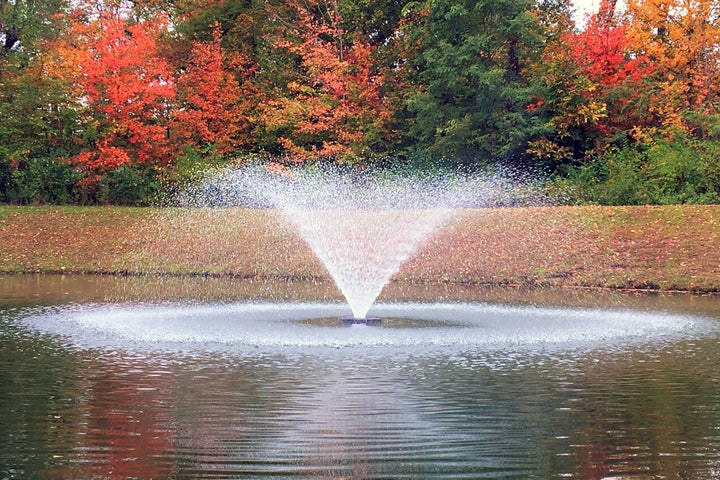
Managing a commercial pond is not quite like maintaining a backyard water feature. The scale is different, the expectations are much higher, and the consequences of poor performance are far more visible. Property managers, golf course superintendents, and HOA boards face real pressure to keep shared water features looking clean, functional, and professionally maintained throughout the year.
When it comes to meeting those demands consistently, Kasco pond fountains have built a reputation that generic alternatives simply cannot match. Commercial operators need equipment that runs reliably through heat, cold, and extended use without constant attention. The engineering behind these systems reflects decades of real-world application across municipal parks, country clubs, and residential communities where failure is not an acceptable outcome.
When Cheap Systems Start Getting Expensive
The True Cost of Low-Budget Equipment: Generic fountain systems can look appealing because of their lower upfront price. That initial saving, though, tends to disappear quickly once motors burn out mid-season or spray patterns degrade from mineral buildup and mechanical wear. Commercial environments place consistent stress on water equipment, and systems not engineered for that level of use show wear far sooner than most property managers anticipate.
Replacement Cycles That Add Up Faster Than Expected: Replacement cycles are among the most underestimated costs in pond management. Every time a generic unit fails, the costs go well beyond the part itself. Labor, reinstallation time, and the reputational impact of a visibly neglected water feature all add up. Choosing equipment built for longer service intervals protects the broader investment in the property.
Why Durability Matters in Commercial Settings:
- Motors rated for continuous duty cycles withstand long operational hours without overheating or power fluctuation damage.
- Corrosion-resistant materials maintain structural integrity in ponds with varying mineral content and pH levels.
- Sealed enclosures protect internal components from debris ingestion, reducing service calls during peak seasons.
- Commercial-grade power cords and float systems hold up to UV exposure and repeated seasonal installation cycles.
Large-Scale Ponds Demand More Than Surface Appeal
Aeration Performance Across the Full Water Column: A fountain that simply looks attractive is not enough for larger commercial ponds. These water bodies require genuine dissolved oxygen transfer to support fish populations, suppress algae growth, and prevent the odor problems that develop in stagnant, nutrient-rich water. Surface agitation from undersized or poorly positioned units rarely reaches the deeper layers where oxygen depletion causes the most serious ecological damage.
Matching Equipment to Real Site Conditions: Not every fountain system is designed to scale effectively. Golf course ponds often span several acres and vary significantly in depth across different sections. Equipment selection should reflect the actual aeration demands of the full water body, not just surface appearance. Undersizing a system for a commercial site creates inconsistent results that become obvious during warm months when algae pressure builds.
What Happens When a System Fails at the Wrong Moment
Failure Visibility in High-Traffic Environments: A malfunctioning fountain in a residential backyard goes largely unnoticed. The same failure in front of a clubhouse entrance, inside a gated community, or near a golf course green is a different situation entirely. Guests, residents, and prospective buyers notice immediately, and that visibility puts real pressure on property teams to source equipment that does not leave them scrambling during peak seasons.
Thermal Stratification and the Cost of Going Dark: When aeration equipment goes offline during warm months, thermal stratification progresses quickly in deeper ponds. The upper and lower water layers separate, trapping heat and oxygen-depleted water in the lower column. Fish kills, algae blooms, and surface scum can develop within days. For commercial properties, the visual impact and ecological damage are both serious, and neither is easy to reverse once conditions deteriorate significantly.
Proven Performance Built Into Every System
A Track Record Earned Across Demanding Environments: Commercial buyers are not making casual purchasing decisions. They research, compare, and rely on what has performed well across similar environments over many years. Systems with a documented history in municipal water management, golf course maintenance, and community pond care carry credibility that newer alternatives have not yet earned. That track record reduces the uncertainty property teams cannot afford to carry.
Design That Fits Real Maintenance Realities: Property teams at HOAs, golf courses, and commercial facilities rarely have time for frequent equipment servicing. Systems designed with accessible components, straightforward motor maintenance, and predictable service intervals fit far better into how these environments actually operate. Equipment that demands constant attention tends to get neglected eventually, and neglected aeration creates water quality problems that take considerably longer to correct than to prevent.
Where Long-Term Quality Becomes a Competitive Edge
Selecting the right pond fountain system plays out over years, not just seasons. When aeration holds steady, water stays clear, the aquatic environment remains stable, and the feature adds genuine value to the property. If you manage a commercial pond or oversee a shared water feature, connect with a qualified aeration specialist who can assess your site and recommend the right system.
